
The Toy Trap: Why We Need to Stop Treating Playthings as Disposable
Learn how to break the 'buy-and-discard' cycle with toys through practical tips on reducing, reusing, and recycling—while teaching your children valuable life lessons.
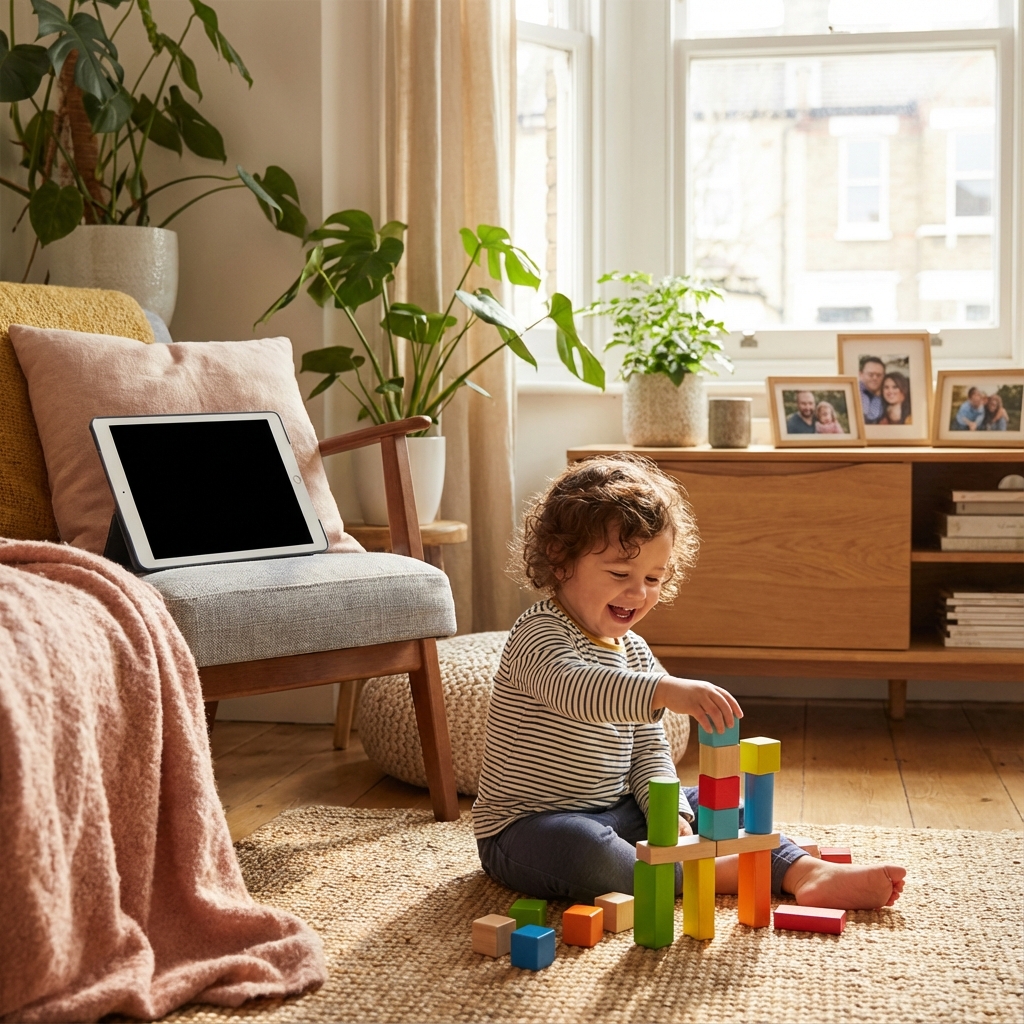
We’ve all seen it: a child receives a shiny new toy, plays with it for three days, and by the end of the week, it’s at the bottom of a cluttered bin—or worse, the trash.
In India, our growing purchasing power has led to a “buy-and-discard” culture. But every time we treat a toy as temporary, we aren’t just losing money; we are adding to a global crisis. Did you know that the toy industry is the most plastic-intensive industry in the world, with nearly 80% of toys ending up in landfills, where they can take up to 500 years to decompose?
It’s time to move beyond the “broken toy” cycle. Here is how we can embrace a Reduce, Reuse, and Recycle mindset right at home.
📉 REDUCE: The Magic of “Less is More”
Reducing doesn’t mean your child stops playing; it means they play better. When a child has 50 toys, they value none of them. When they have five, they learn creativity.
Toy Rotation
Instead of keeping all toys out, keep only 20% visible. Box the rest and swap them every month. To your child, these “old” toys feel brand new again. This prevents boredom-driven buying.
Quality Over Quantity
One sturdy, well-made Indian toy is better than five cheap imports that break within hours. Durability is the first step toward sustainability.
🔄 REUSE: Every Toy Has a Second Chapter
A toy your child has outgrown is exactly what another child is dreaming of. Discarding a functional toy is an environmental “sin” we can easily avoid.
The Resell Mindset
Treat your toys like assets. If you keep the box and maintain the parts, you can resell them on local platforms. This keeps the toy in the “circle of play” and puts money back in your pocket.
The Gift of Longevity
Teach your child that toys aren’t “trash” once they grow up; they are “gifts” to be passed down to younger cousins or local communities.
♻️ RECYCLE: Closing the Loop
When a toy finally reaches the end of its life, it shouldn’t just go into the green or blue bin.
Buy-Back Programs
Look for brands and platforms that offer a buy-back option. Even if a toy is worn out, the materials (especially high-grade plastics) can be recovered and turned into something new.
Selective Disassembly
If a toy is broken beyond repair, check if the plastic is recyclable (#1, #2, or #5 plastics are often easier to process).
🛠️ The Parent’s Manual: How to Make a Toy Last a Decade
The longevity of a toy depends 10% on the manufacturer and 90% on how it’s cared for at home. Here are three golden rules for toy maintenance:
Smart Storage
Avoid “toy piles” where heavy items crush fragile ones. Use designated bins and teach your child to “park” their toys at night. This prevents accidental breakage from being stepped on.
Safe Cleaning
Don’t use harsh chemicals that degrade plastic over time. A simple mix of vinegar and water or mild soap is enough to keep toys hygienic without making the material brittle.
The “Hospital” Station
Set up a small “Toy Hospital” area. A loose screw or a snapped plastic joint can often be fixed with a bit of DIY care rather than being thrown away.
🧠 More Than Just Plastic: A Lesson in Responsibility
When we teach our children to take care of their toys, we aren’t just saving the planet—we are raising responsible humans. Teaching a child to clean their toys, store them safely, and eventually pass them on builds empathy, gratitude, and executive function. They learn that things have value, and that taking care of what you own is a sign of respect for the world around them.
Next time you’re about to buy or discard a toy, ask yourself: Is this a three-day thrill, or a ten-year journey?
Ready to embrace circular play? Discover how Chipmunks’ toy subscription model keeps quality toys in circulation while teaching children the value of sharing and sustainability.
Have tips on making toys last longer? Share them with our community on social media!